
The Role of Luck in Casino Games
Luck is often considered a defining factor in games played at casinos. Unlike skill-based games where player strategy can significantly affect outcomes, many casino games are designed to rely heavily on chance. For instance, in games like slots and roulette, outcomes are unpredictable and determined by random number generators or spinning wheels. This inherent randomness gives rise to the belief that luck plays a crucial role in determining whether a gambler will walk away from the table a winner or a loser. For those who enjoy the thrill of chance, trying out pokies online can provide an exhilarating experience that captures the essence of gaming excitement. The excitement of these games is amplified by the anticipation of hitting a lucky streak, which can lead to significant payouts.
Additionally, the element of luck can create mesmerizing narratives around a player’s success. Stories of individuals hitting jackpots or making consecutive winning bets feed into the idea that sometimes, fortune favors the bold. For example, a player who wins a substantial amount on a single spin can become a local legend, inspiring others to believe they too can achieve similar success. While there are statistical odds associated with each game, the thrill of the unknown keeps players coming back to test their luck, hoping for another lucky streak. Thus, luck and chance remain pivotal components in the allure of casino gambling, drawing in both seasoned players and newcomers alike.
However, one must consider that luck is not the only variable influencing success at casinos. While random outcomes can lead to unexpected wins, fluctuations in a player’s fortune over time are commonplace. Gamblers often experience both winning and losing streaks due to the nature of chance. This variability can create an emotional roller coaster for players, where moments of exhilaration are often followed by disappointment. Therefore, the interplay of luck and persistent engagement can create a complex gambling experience, illustrating that while luck is significant, it is part of a larger tapestry of casino dynamics that includes skill, strategy, and emotional management.
Skill vs. Luck in Gambling
The debate between skill and luck is a hot topic among gambling enthusiasts. In games like poker and blackjack, players have the opportunity to employ strategies that can mitigate the element of luck. For example, in poker, understanding probability, reading opponents, and managing betting can significantly influence a player’s overall success. Experienced players often leverage their knowledge to make strategic decisions that can skew the odds in their favor, allowing them to overcome pure luck over time. This skill-based approach not only enhances their chances of winning but also adds depth to the gaming experience.
Conversely, in games like baccarat and slots, players rely almost entirely on luck. These games are devoid of strategic depth, leaving the outcome to chance and the whims of fate. The simplicity of such games makes them equally attractive to novices who may not have the time or training to develop gambling skills. As a result, these games can be a double-edged sword: while they offer immediate gratification through potential wins, they also serve as a reminder of how quickly luck can change. This highlights how different games within a casino have varying degrees of dependency on luck versus skill, shaping the overall player experience.

The relationship between skill and luck also changes the psychology of players. Skilled players may approach gambling with a mindset focused on long-term success, employing strategies to maximize their advantages while still acknowledging luck’s role. In contrast, less experienced players may be more susceptible to the whims of luck, leading to emotional highs and lows that can cloud their judgment. Understanding this relationship can ultimately shape how individuals perceive and engage with the various offerings at a casino, impacting their overall experience. Awareness of both skill and luck can empower players to make more informed choices, enhancing their enjoyment and potential success.
The Psychological Impact of Luck
The psychological effects of luck can be profound, affecting both a player’s behavior and decision-making processes. When players experience a win, they often feel a rush of confidence, leading to more adventurous bets. This phenomenon, known as the “hot hand” or “lucky streak,” can create an illusion that their luck will continue, prompting them to wager larger amounts. Such psychological responses illustrate how luck can influence not just game outcomes, but also the broader gambling experience. This interplay between luck and psychology can lead to a heightened sense of exhilaration, making the gambling experience more captivating.
Additionally, the belief in luck can result in various rituals among players. From lucky charms to specific seating arrangements, many gamblers engage in superstitious behaviors in hopes of enhancing their luck. This is a testament to the power of belief, as these rituals often provide players with a sense of control over their luck, even when outcomes are inherently random. For instance, a player might wear a particular shirt on game night, convinced it will bring them good fortune. This blend of psychology and luck makes for a unique atmosphere in casinos, where environments are designed to amplify feelings of excitement and possibility, enticing players to engage more deeply.
Finally, it’s important to note that the perception of luck can lead to problematic gambling behaviors. Players who attribute wins to luck may also disregard responsible gambling practices, thinking they can chase losses with the same luck that brought them wins. This mindset can contribute to the development of gambling addiction, as individuals become caught in a cycle of highs and lows, continuously seeking the euphoria of a big win. Understanding the psychological implications of luck is crucial for both players and casino operators in promoting a safe gambling environment. By fostering awareness and encouraging responsible gaming, the casino experience can remain enjoyable and healthy.
The House Edge and Its Relationship with Luck
The house edge is an essential aspect of casino gaming, representing the built-in advantage that the casino has over players. This edge ensures that, over time, the casino will maintain profitability regardless of individual player outcomes. While luck can certainly favor a player in the short term, the house edge ultimately evens the playing field, leading to a more predictable outcome for the casino in the long run. This balance emphasizes that while luck can play a role, it is often overshadowed by the mathematical realities of gambling, reminding players that consistent wins are unlikely.
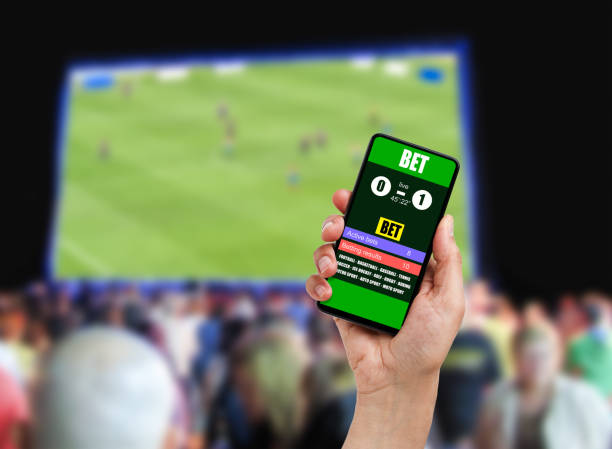
The presence of the house edge prompts players to develop a more nuanced understanding of luck. Some may understand that even on their lucky days, the odds are not permanently in their favor. This awareness can lead to more strategic gameplay, where players are more discerning about when and how much to bet, aiming to maximize their fun while minimizing potential losses. For example, a player might choose to limit their bets or switch games if they recognize a persistent losing streak, applying a strategic approach rather than relying solely on luck. Fostering a balance between enjoying the thrill of luck and respecting the house edge can enhance the overall gambling experience.
Moreover, casinos utilize the house edge strategically by offering various games with different levels of house advantage. This variety allows players to choose games that align with their risk tolerance, whether they prefer games with lower house edges, such as blackjack, or those with higher edges, like certain slot machines. By understanding these dynamics, players can navigate the casino landscape more effectively, harnessing both luck and strategy to enhance their gaming experience. This informed approach can lead to more satisfying outcomes and a deeper appreciation of the gambling experience.
Exploring More About the Casino Experience
For those interested in a deeper understanding of the multifaceted casino experience, it is vital to explore all elements that make casinos intriguing. While luck undoubtedly plays a significant role in gambling, the skills, strategies, and psychological factors intertwined with casino gaming create a rich tapestry of experiences for players. From the ambiance of the casino floor, filled with lights and sounds, to the thrill of competing against others, the environment itself enhances the perception of luck and fortune, making gambling an engaging social activity.
Engaging with knowledgeable dealers, participating in tournaments, or simply enjoying live entertainment can amplify a player’s enjoyment far beyond the mere act of gambling. Casinos often create a community atmosphere, where shared experiences of luck, both good and bad, foster camaraderie among players. This social aspect ensures that casinos are not just places to gamble, but vibrant venues for entertainment and connection, allowing players to bond over their experiences and strategies. The shared narratives of wins and losses contribute to the excitement of the gaming environment.
Ultimately, exploring the casino landscape reveals that luck is just one piece of a larger puzzle. Players who understand how various factors interact can enhance their experience, whether that involves honing their skills, managing their expectations regarding luck, or simply enjoying the unique social environment that casinos provide. Understanding the full spectrum of the casino experience can empower players to engage more thoughtfully with their gambling journeys, leading to greater satisfaction and enjoyment in their pursuits. By appreciating the nuances of luck, skill, and the casino atmosphere, players can cultivate a richer and more rewarding gaming experience.