
Myths about gambling Debunking common misconceptions for better understanding
The Illusion of Luck
One of the most pervasive myths surrounding gambling is the belief that it is purely a game of luck. Many people assume that winning is solely determined by chance, ignoring the role of skill and strategy in games like poker and blackjack. While luck does play a part, particularly in games like slots, successful gamblers often utilize strategies and statistical knowledge to improve their odds. Understanding this distinction can help new players approach gambling with a more informed mindset.
For instance, in poker, reading opponents and calculating pot odds can significantly impact a player’s success rate. Players who invest time in learning the nuances of the game often find themselves winning more consistently than those who rely on luck alone. This misconception can discourage potential players from developing their skills, ultimately affecting their overall gambling experience.
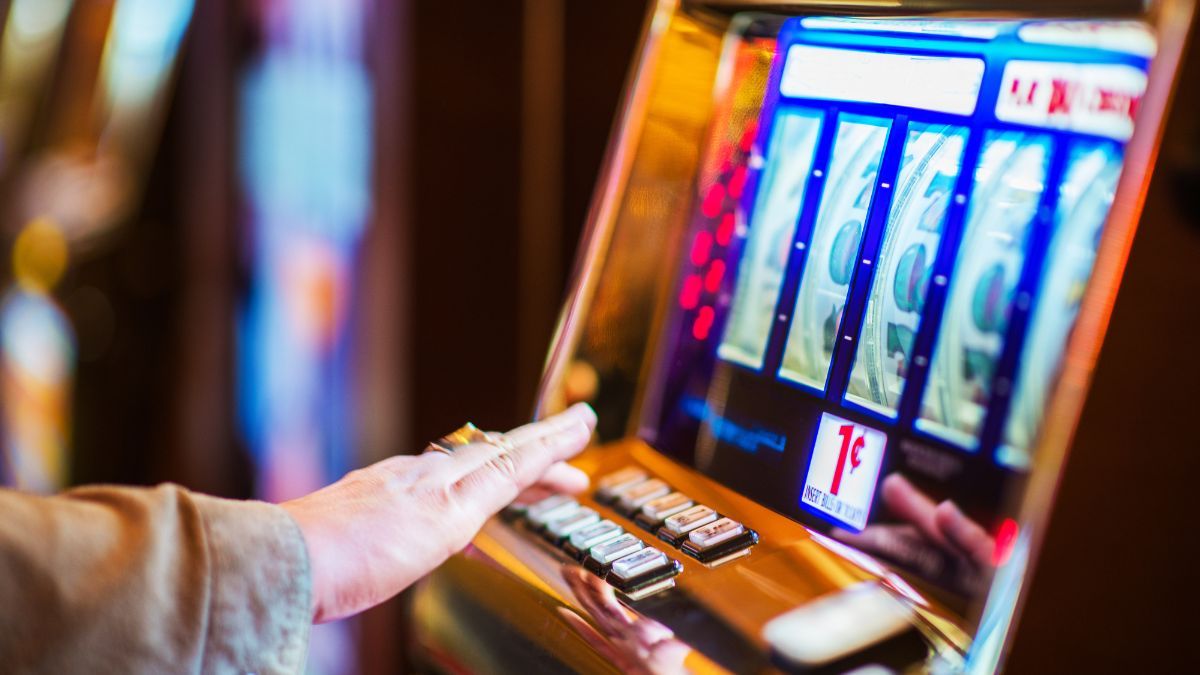
Furthermore, many assume that streaks—either winning or losing—are indicative of future outcomes. This belief in “hot” or “cold” machines, for example, can lead players to make irrational decisions. In reality, each spin of a slot machine is independent, and past results do not influence future outcomes, a principle known as the gambler’s fallacy. Recognizing this can help mitigate impulsive betting based on false beliefs.
The Myth of the Gambler’s Fallacy
The gambler’s fallacy is a common misconception that suggests past events influence the likelihood of future outcomes in independent events. For example, if a coin has landed on heads several times in a row, many believe that tails is due to happen next. This line of thinking can lead to misguided betting strategies and ultimately results in losses. Understanding that each event in gambling is independent can help players make more informed decisions.
This fallacy is particularly prevalent in games like roulette, where players may believe that a certain number is “due” for a win after a long streak of losses. However, the odds remain the same for each spin, and no number is more or less likely to come up based on previous outcomes. Players who recognize this can avoid the pitfalls of emotional decision-making that stem from believing in patterns that do not exist.
Moreover, the gambler’s fallacy can lead to a cycle of chasing losses, where players increase their bets in hopes of recouping lost money. This behavior often spirals into larger losses, creating a toxic cycle that can be difficult to break. By understanding the mechanics of independent events, players can approach their gambling more rationally and responsibly.
Another common myth is the belief that gambling can serve as a reliable source of income. While some individuals may achieve short-term success, relying on gambling as a primary income source is both risky and unrealistic. The odds are typically against the player, especially in games designed for the house to win in the long run. Many who enter the gambling world with this misconception often find themselves facing financial difficulties.
It’s crucial to understand that gambling should be approached as a form of entertainment rather than a financial strategy. Successful gamblers know the importance of setting limits and treating losses as the cost of entertainment. When viewed through this lens, gambling can be an enjoyable experience without the burdens of financial expectation.
In fact, some jurisdictions promote responsible gambling practices to help individuals understand that the house always has an edge. Engaging in gambling responsibly involves knowing the odds, setting budgets, and recognizing when it’s time to walk away. This understanding can empower players to enjoy the experience without the pitfalls associated with the false belief of gambling as a consistent income source.
The Role of Skill in Gambling
Many people mistakenly believe that all forms of gambling are purely based on luck, with no room for skill or strategy. However, this couldn’t be further from the truth, especially in skill-based games like poker, blackjack, and sports betting. Players who dedicate time to mastering these games can improve their odds significantly, often turning the tide in their favor with informed decision-making.
In poker, for example, understanding the psychology of opponents and employing advanced strategies can greatly influence the outcome. This level of engagement requires critical thinking, emotional control, and a strong understanding of the odds. Players who invest the effort to learn these skills often outperform those who simply rely on luck.
Additionally, even in games traditionally viewed as games of chance, such as blackjack, players can employ strategies like card counting to gain an advantage. While this requires practice and a deep understanding of game mechanics, it demonstrates that skill plays a pivotal role in numerous gambling contexts. Recognizing this can lead to a more rewarding gambling experience for those willing to put in the effort to improve their skills.
Explore More with MythosWin
At , we aim to empower players with knowledge and resources to navigate the complex world of gambling. By debunking common myths and misconceptions, we encourage responsible and informed gambling practices. Our platform offers a wealth of information on game strategies, odds, and tips for enhancing your gambling experience.
Whether you are a novice or an experienced gambler, understanding these myths can significantly impact your approach to gambling. By fostering a community that values knowledge and responsibility, we strive to enhance your gaming journey. Join us at and take your first step towards a more informed gambling experience today.