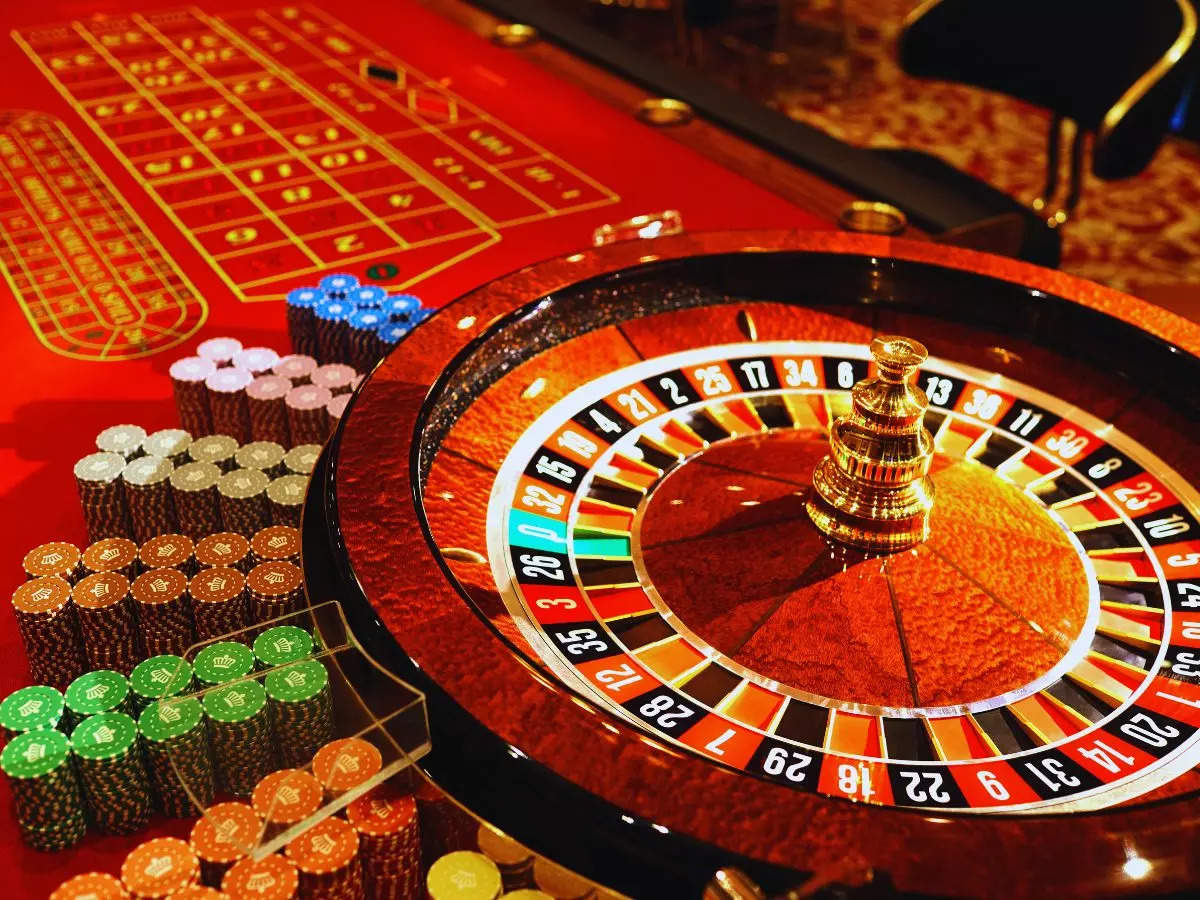

The evolution of gambling tracing the historical roots and cultural influences
The Origins of Gambling
The roots of gambling can be traced back thousands of years, with evidence suggesting its presence in ancient civilizations. The earliest records of gambling date back to around 3000 BC in Mesopotamia, where clay dice were discovered. These rudimentary games of chance laid the groundwork for gambling as a form of entertainment. Across cultures, from ancient China with its betting on tile games to Rome’s gladiatorial contests, gambling has always had a place in society, reflecting the human fascination with risk and reward. In this context, online venues such as nmeg.co.uk are becoming increasingly popular, providing players with exciting options.
In ancient China, gambling was often intertwined with important cultural and social practices. The development of games such as Keno and various betting games showcased the community’s inclination towards chance. Gambling also played a significant role in the rituals and ceremonies of these civilizations, further embedding it in their cultural fabric. Similarly, in ancient Rome, betting on chariot races became a popular pastime among the masses, showcasing the intertwining of sports and gambling.
As civilizations evolved, so did the methods and mediums of gambling. The introduction of cards in the 9th century in China marked a significant turning point. This innovation spread to the Islamic world and eventually reached Europe, where it further transformed the landscape of gambling. The emergence of formalized gaming houses and betting establishments during the Renaissance period showcased gambling’s transition into a more structured enterprise, paving the way for modern casinos.
The Cultural Influence of Gambling
Gambling has significantly influenced various cultures worldwide, shaping social practices and norms. In many societies, it is viewed as a means of entertainment, bringing people together through shared experiences. Festivals and local events often incorporate games of chance, reflecting the communal aspects of gambling. For instance, in many Native American communities, traditional games and modern gambling casinos have become important economic and cultural pillars, blending heritage with contemporary practices.
Moreover, the representation of gambling in literature and media further accentuates its cultural significance. From Shakespeare’s plays to modern movies, the theme of chance and risk is a recurring motif, illustrating both the allure and the dangers associated with gambling. These portrayals influence public perception and acceptance, with some cultures embracing gambling as a legitimate form of leisure while others stigmatize it, associating it with vice and moral decline.
As a reflection of societal values, the approach to gambling varies greatly. In Japan, for instance, gambling is often restricted, but traditional games like Pachinko have found a unique place in popular culture. Conversely, countries like Australia and the United States embrace gambling as a major entertainment industry. This dichotomy underscores the complex relationship between gambling and culture, revealing how historical context shapes modern perspectives.
The Rise of Casinos
The establishment of casinos in the 17th and 18th centuries marked a pivotal moment in the evolution of gambling. Initially, these establishments catered to the elite, providing a luxurious environment for games of chance. The first official casino, the Ridotto, opened in Venice in 1638, setting the stage for future developments in gaming. This venue introduced organized gambling and regulated games, differentiating it from the more informal betting seen in prior eras.
Throughout Europe, casinos flourished, becoming centers of social life. They attracted not only gamblers but also those seeking entertainment and social interaction. The opulence of these venues often mirrored the wealth of their patrons, with elaborate decor, fine dining, and entertainment options. The gambling experience was as much about the atmosphere as it was about the games themselves, contributing to the allure of casinos.
As the concept of casinos spread globally, different regions adapted the model to fit their cultural contexts. In the United States, the rise of Las Vegas in the mid-20th century transformed gambling into a mainstream entertainment industry. The city’s casinos became symbols of excess and excitement, drawing millions of visitors annually. This evolution highlights the adaptability of gambling, as it continues to integrate into various cultural landscapes while influencing local economies.
The Digital Transformation of Gambling
The advent of the internet in the late 20th century revolutionized the gambling industry, leading to the rise of online casinos. The first online gambling sites emerged in the mid-1990s, offering players the convenience of gaming from their homes. This shift democratized access to gambling, allowing a broader audience to participate in various games without the need for physical venues. Online casinos quickly adapted traditional games, introducing innovative formats and unique experiences.
As technology advanced, online gambling platforms began to incorporate features that enhanced user experience. Live dealer games emerged, bridging the gap between online and traditional casinos by providing real-time interactions. This evolution has made online gambling more appealing to those who enjoy the social aspects of gaming but prefer the convenience of staying at home. The integration of mobile gaming further propelled this trend, allowing players to gamble on-the-go.
However, the digital transformation of gambling also raised questions regarding regulation and responsible gaming. As online platforms proliferated, issues related to addiction and financial risks became more pronounced. Governments and regulatory bodies have had to adapt their approaches to ensure consumer protection while fostering a safe environment for online gambling. This ongoing evolution reflects the industry’s need to balance innovation with responsibility.

Love Casino: A Modern Gambling Experience
Love Casino represents the culmination of the evolution of gambling, providing a comprehensive online gaming experience tailored to a diverse audience. With thousands of titles, including slots and live dealer games, this platform offers something for everyone, whether you are a seasoned player or a newcomer. The website encapsulates the convenience and excitement that modern gambling has to offer, all within a secure environment.
The platform also prioritizes customer support and user experience, ensuring players have access to assistance whenever needed. Fast transactions and generous bonuses enhance the overall gaming experience, allowing players to enjoy their favorite games without unnecessary delays. The user-friendly app and website interface further streamline access, making it easy to navigate through the extensive offerings.
In conclusion, Love Casino is not just a gaming site but a reflection of the ongoing evolution of gambling. It merges tradition with modernity, showcasing how the industry has adapted to the changing preferences of players while embracing technological advancements. This platform represents a new chapter in the rich history of gambling, promising to engage and excite players around the world.