

The Illusion of Luck in Casino Games
Many people enter casinos under the impression that luck is the sole factor determining winning outcomes. This myth breeds a common belief that some individuals are simply “lucky,” destined to win at games of chance while others are not. However, the randomness of games like slots and roulette is governed by probability rather than sheer luck, which is why engaging with options like payid online pokies can provide a more informed approach to gaming. Understanding the odds can not only dispel this myth but also enhance the gaming experience by providing players with realistic expectations about winning.
In fact, every game in a casino is designed with a mathematical edge for the house. This means that while players may have occasional wins, the overall statistical advantage always favors the casino. For instance, the house edge in games like blackjack can be reduced through optimal strategy, allowing players to improve their odds, but it never fully disappears. This knowledge underscores the importance of understanding how each game operates, rather than clinging to the belief that winning is merely about luck.
Moreover, many players attribute their losses to bad luck or unfavorable conditions, failing to recognize that every loss is a part of the gaming experience. Successful gamblers often approach gaming with a strategy, setting limits on their spending and focusing on enjoyment rather than purely monetary gain. This approach not only helps in managing expectations but also fosters responsible gambling, contradicting the myth that winning is purely a matter of chance.
The Casino Environment and Its Influence
A common misconception is that the casino environment is solely designed to keep players gambling as long as possible. While it is true that casinos invest in creating an immersive atmosphere—complete with enticing visuals, sounds, and scents—the idea that these elements are only manipulative overlooks the psychological aspects of gaming. The design aims to create a space where players can enjoy themselves, as a positive environment often enhances the overall gaming experience.
The ambiance in casinos is purposely created to be engaging and entertaining. Lighting, decor, and layout are meticulously planned to encourage social interaction, which can distract from the pressures of gambling. This encourages players to focus more on enjoyment rather than solely on winning or losing. Thus, while there are elements designed to entice players to continue gambling, the experience can also be a fulfilling social outing, rich with entertainment.
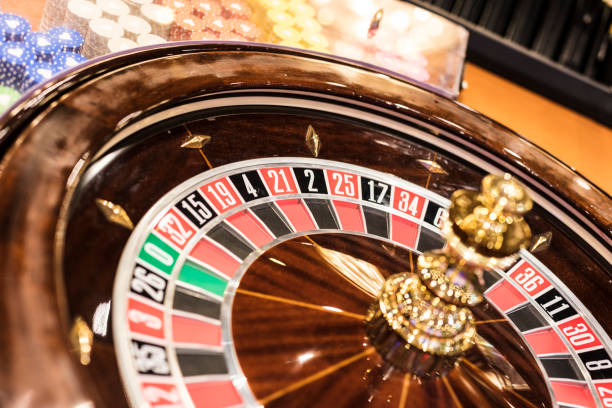
Furthermore, many casinos offer services such as complimentary drinks and entertainment, reinforcing a more leisurely approach to gaming. These offerings are designed to enhance the overall experience rather than to trap individuals into endless cycles of play. Recognizing that the casino atmosphere is about enjoyment can reshape one’s approach to gambling, steering clear of the myths that depict casinos as purely exploitative environments.
The Misconception of Casino Gambling as a Get-Rich-Quick Scheme
Another prevalent myth is that casino gambling can serve as a shortcut to wealth. Many believe that individuals can walk into a casino and make a substantial profit overnight. This misunderstanding often stems from stories of jackpot winners or those who experience significant wins. While such occurrences do happen, they are more often outliers than the norm. For the majority of players, gambling should not be viewed as a reliable financial strategy.
The reality is stark; gambling should primarily be seen as a form of entertainment rather than an investment opportunity. Most players experience losses over time, as the odds are consistently against them. For instance, the probability of hitting a progressive jackpot is typically very low, and relying on such outcomes as a primary source of income can lead to significant financial hardship. Understanding this aspect of gambling is essential for maintaining a healthy mindset towards casino gaming.
Moreover, responsible gambling practices emphasize setting budgets and acknowledging that losses are part of the game. Players who approach gambling with the expectation of making money often find themselves disappointed and financially strained. By reframing their motivations and focusing on the entertainment value rather than potential profits, individuals can enjoy gaming responsibly and mitigate the dangers of falling into the trap of viewing gambling as a wealth-building tool.
The Myth of Rigged Games
There is a lingering belief among some gamblers that casino games are rigged, suggesting that the house manipulates outcomes to ensure players lose. This myth often arises from personal experiences of losing streaks, but it fails to consider the regulations and oversight present in the gaming industry. In many jurisdictions, casinos are subject to stringent laws governing fair play and game integrity, meaning that games must operate transparently and in accordance with established standards.
The technology utilized in modern gaming, such as random number generators for electronic games, ensures that outcomes are unbiased and based purely on chance. These systems are regularly tested by independent auditors to ensure compliance with fairness regulations. This commitment to maintaining integrity in gaming helps dispel the myth that casinos are intentionally deceiving their patrons, providing players with confidence in the legitimacy of their gaming experiences.
Additionally, many players fail to account for the inherent volatility of casino games, which can lead to perceptions of unfairness. Streaks of wins and losses are naturally part of gambling, and attributing this variability to rigging overlooks the randomness at play. Educating oneself about how games work and the regulations that govern them can help players enjoy their time in casinos without falling prey to baseless assumptions about rigging and manipulation.
Understanding Responsible Gambling
As the conversation around casino gambling evolves, understanding responsible gambling practices becomes increasingly essential. This involves acknowledging the potential risks associated with gambling and taking proactive steps to ensure that gaming remains a fun and enjoyable activity. Misconceptions, such as the belief that gambling is a harmless pastime, can lead to troubling behaviors and negative consequences, emphasizing the need for education and awareness.
Many gambling establishments promote responsible gaming initiatives, providing resources and tools to help players manage their gambling habits. This includes setting time and spending limits, as well as encouraging individuals to take breaks and reflect on their gaming experiences. By fostering a culture of responsibility, casinos aim to counteract the myths surrounding gambling and promote healthier attitudes among players.
Moreover, the rise of online gambling has made it easier for individuals to access games at any time, further complicating the landscape of responsible gambling. It is crucial for players to understand the importance of self-regulation and seek help if they find themselves experiencing negative consequences from their gambling activities. Organizations dedicated to responsible gambling offer support and guidance, helping individuals navigate their gaming habits while debunking the myths that may lead to unhealthy behaviors.