
Understanding the basics of gambling A beginner's guide to getting started
What is Gambling?
Gambling is the act of wagering money or something of value on an event with an uncertain outcome, primarily with the intent of winning additional money or material goods. This activity can take many forms, including betting on sports, playing card games, or spinning slot machines. The thrill of gambling lies in the risk and potential reward, making it an appealing pastime for many individuals around the world. As you explore the landscape of options, consider checking out Red Casino for an extensive selection of games.
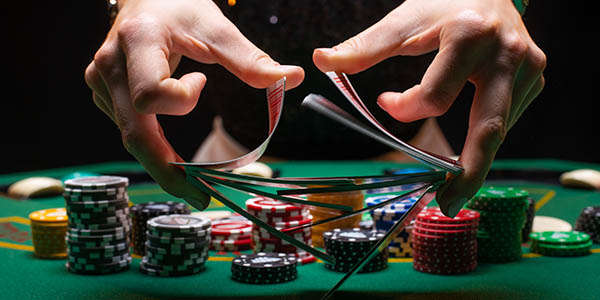
While some people gamble for entertainment, others view it as a way to make money. Understanding the nature of gambling is crucial for anyone looking to participate, as it involves both luck and skill. Each form of gambling comes with its own set of rules and probabilities, which can influence a player’s chances of winning or losing.
Types of Gambling
Gambling can generally be categorized into two main types: online and offline. Offline gambling takes place in traditional settings such as casinos, racetracks, and bingo halls. These venues provide a social atmosphere where players can interact face-to-face while enjoying their favorite games. The tangible experience of handling chips and cards often enhances the excitement.
On the other hand, online gambling has gained immense popularity in recent years. It allows players to gamble from the comfort of their homes using a computer or mobile device. Online casinos offer a wide variety of games, often featuring generous bonuses and promotions to attract new players. Understanding the differences between these types can help beginners choose the best option for their gambling experience.
Understanding Odds and Payouts
In gambling, odds represent the likelihood of a specific outcome occurring. They are fundamental to understanding how betting works, as they directly affect potential payouts. Higher odds typically indicate a lower chance of winning, while lower odds suggest a greater chance. It is essential for beginners to grasp these concepts, as they can influence betting strategies and decisions.
Payouts refer to the amount of money a player can win based on their bet and the odds. Each game has its own payout structure, so understanding how much can be won or lost is crucial for managing your bankroll effectively. Learning to read odds and payouts will help novice gamblers make informed choices and enhance their overall experience.
Responsible Gambling Practices
Engaging in gambling can be fun and exciting, but it is essential to practice responsible gambling. This means setting limits on time and money spent, recognizing the signs of problem gambling, and understanding when to walk away. Establishing a budget and sticking to it can prevent financial difficulties and ensure that gambling remains a form of entertainment rather than a source of stress.
Additionally, many gambling platforms and organizations provide resources for those seeking help with gambling addiction. Being informed about the risks and practicing self-control can lead to a healthier and more enjoyable gambling experience. Beginners should prioritize responsible gambling habits to promote long-term enjoyment and mitigate potential harms.

Exploring Online Gaming Options
For those interested in online gambling, numerous platforms offer a diverse range of games, from slots to live dealer experiences. Understanding the various types of games available can greatly enhance your enjoyment. Online casinos often have user-friendly interfaces, making it easy for beginners to navigate their offerings and find games that suit their preferences.
Furthermore, many online platforms emphasize player security and customer support. This ensures that newcomers can engage in a safe gaming environment with the assurance of professional assistance when needed. Taking the time to explore these options can significantly enhance a beginner’s understanding and enjoyment of the gambling world.